
Circulation pump installation – fittings and accessories
Circulation pump installation – fittings and accessories
Install the circulation pump between two shut-off valves – you will then not need to drain the system when replacing it. The diagram shows the fittings, system protection components and the power backup. Click a number to open the matching product.
A number in the diagram takes you to the matching item in the list below.
Step 1: pump and shut-off valves


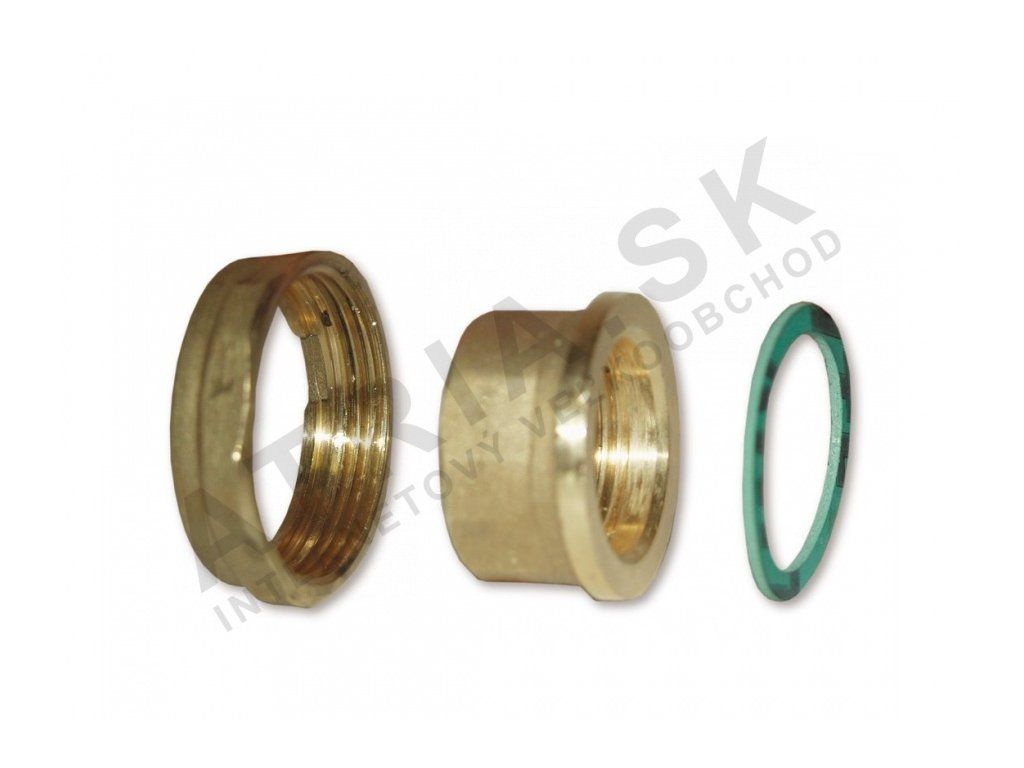
Step 2: system protection


Step 3: control and backup power

The circulation pump and its fittings
The circulation pump ensures that heat from the boiler reaches even the most distant radiators and underfloor circuits. The set is intended for heating engineers and service companies installing a pump from scratch, replacing an old pump with an energy-efficient one or adding a separate circuit. The emphasis is on the fittings that allow you to replace the pump at any time without draining the system, and on a power supply that keeps the water circulating even during a mains failure.
Installation procedure
- Choose the location according to the heat source diagram – for most boilers this is the return, for some configurations the flow.
- Connect the expansion vessel before the suction side of the pump. The pump then increases the pressure in the system, and no negative pressure forms in the upper part of the pipework that would draw in air through the air vents.
- Fit pump unions on both sides of the pump, ideally with an integrated ball valve, or a combination of unions and separate shut-off valves.
- Install a filter before the pump so that dirt does not damage the rotor and bearings.
- Fit the pump with new seals so that the arrow on the body points in the direction of flow and the motor shaft is horizontal. Turn the terminal box to the side or upwards, never downwards – condensate could get into the electronics.
- Fit an automatic air vent at the highest point of the circuit and a pressure gauge close to the heat source.
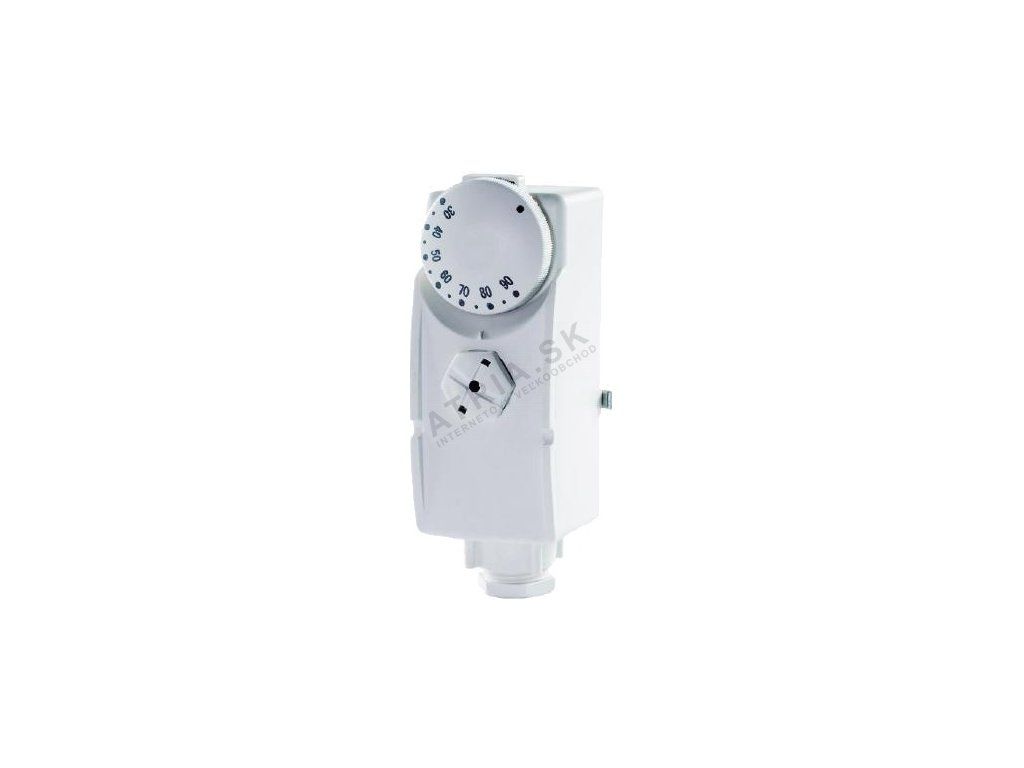
- Entrust the electrical connection of the pump, the pipe thermostat and the backup power supply to an electrician.
- With solid fuel boilers, install a backup power supply between the mains and the pump so that circulation continues even during a power cut.
Choosing the right parts
- Flow rate. Start from the formula Q = P / (1.163 × ΔT), where Q is the flow rate in m³/h, P is the circuit output in kW and ΔT is the difference between the flow and return temperatures in kelvin. Underfloor heating works with a smaller temperature difference than radiators, so it needs a higher flow rate for the same output.
- The pump head is determined by the pressure loss of the least favourable circuit, including the boiler, filter, valves and fittings. An oversized pump causes noise in the valves and wastes energy.
- Control mode. For radiators with thermostatic valves, proportional pressure works well; for underfloor heating, constant pressure. Many energy-efficient pumps can adapt to the system by themselves.
- Dimensions. When replacing a pump, the new pump must match the installation length (usually 130 or 180 mm) and the connection threads. If they differ, you can solve this with suitable unions.
- The pressure gauge should have a range in which the normal operating pressure is in the middle of the scale.
- The backup power supply should be sized according to the power input of the pump and everything else that needs to run during a power cut, with an appropriate reserve.
Most common installation mistakes
- Motor shaft vertical or terminal box facing downwards.
- Pump installed against the direction of flow.
- Expansion vessel connected after the pump discharge – negative pressure forms in the system and air is drawn in.
- Missing shut-off valves, so replacement is only possible after draining the system.
- A pump without a filter on a dirty system.
- An air vent in a place where air does not collect.
Commissioning and maintenance
Fill and bleed the system before start-up; the pump must not run dry. Many models have a venting function that you start when switching on for the first time. Then set the mode and the speed setting, check the pressure on the gauge and listen for any noise caused by air. During maintenance, clean the filter, monitor the pressure and, before the start of the season, check that the pump starts up after the summer shutdown.
Frequently asked questions
Can I replace an old pump with an energy-efficient one?
Yes, if the installation length and connections match. For pumps controlled directly by the boiler, check which control signal the boiler sends so that the new pump works correctly.
Why is the pump noisy?
Most often because of air in the system, low pressure or a speed setting that is too high. Bleed the system, top up the pressure and reduce the pump setting.
Does the pump belong on the flow or on the return?
The heat source diagram is decisive. What matters more is the correct connection of the expansion vessel relative to the suction side of the pump.
Is a backup power supply really necessary?
For solid fuel boilers, yes – without water circulation, the boiler overheats quickly during a power cut. With other heat sources, it increases comfort and protects the system from cooling down.
What to order for the pump
Choose the pump in the Pumps for heating and water category, the fittings from the pump ball valves range, protection from the threaded filters category and the power supply from the Backup power supplies range. Registered partners can see wholesale prices after logging in. We dispatch goods from our warehouse in Žilina and ship them throughout the EU.